
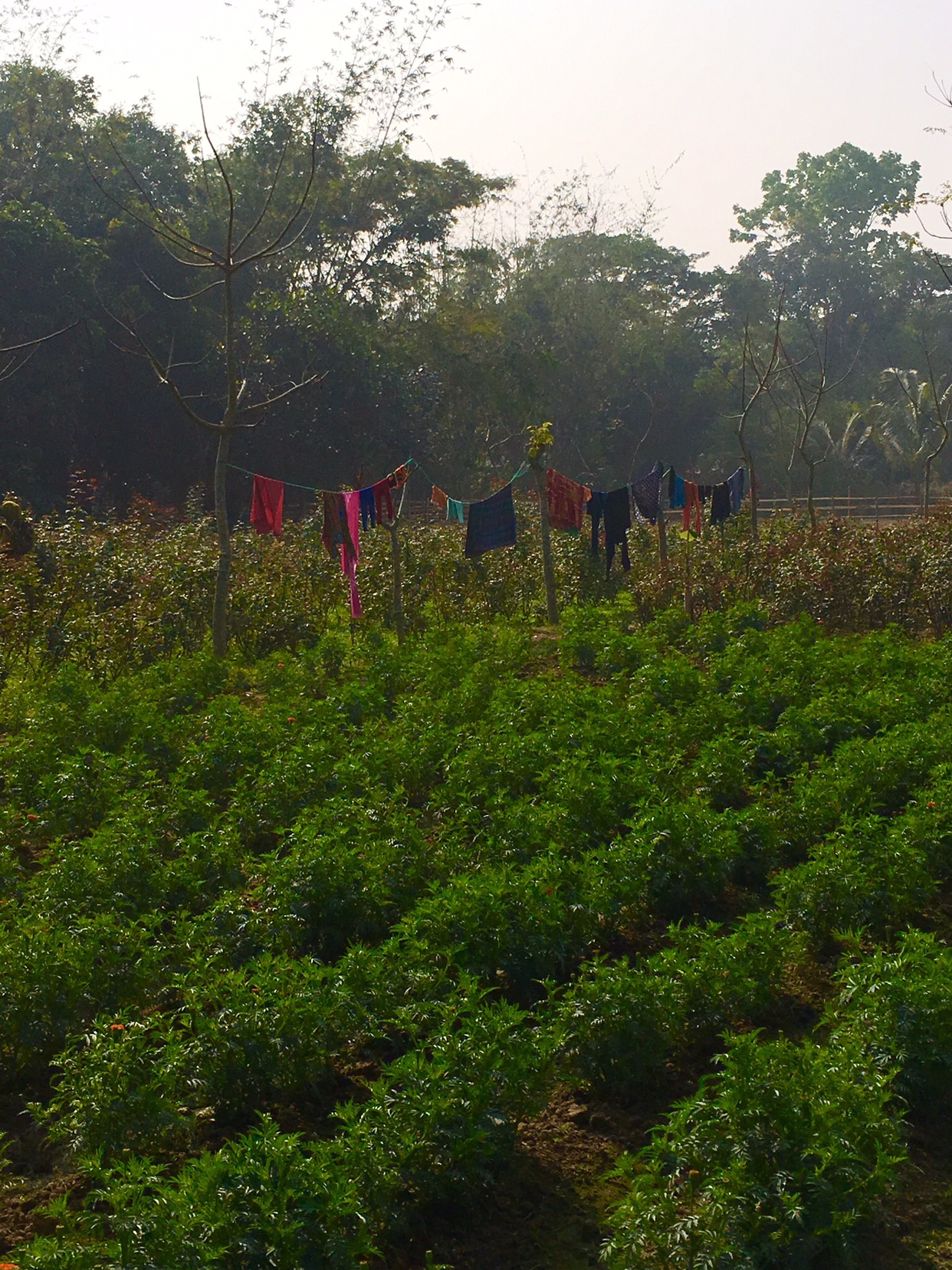
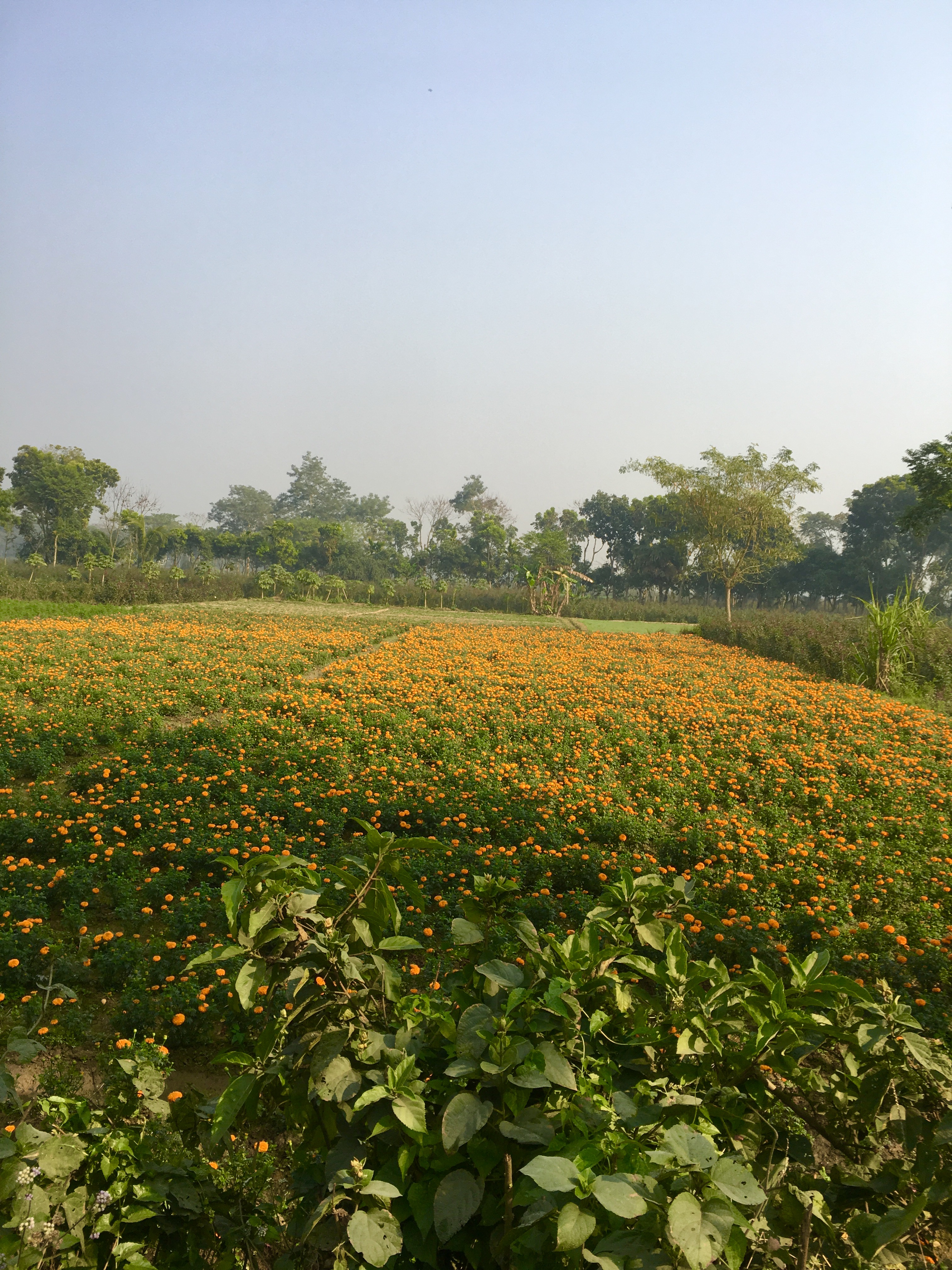
The 134 km drive to Jessore took six hours, the drive out of the Dhaka district alone was two hours. The sky in Dhaka is a mix of dust and smoke, a grey muddy haze, the horizon is hemmed in by high rise buildings very little green to be seen, the trees are covered in a thick layer of brown dust which makes then look dead however once you leave the Dhaka district things change dramatically, blue skies and acre upon acre of beautiful agricultural lands harvesting rice, vegetables and fruit, flowers and tobacco.
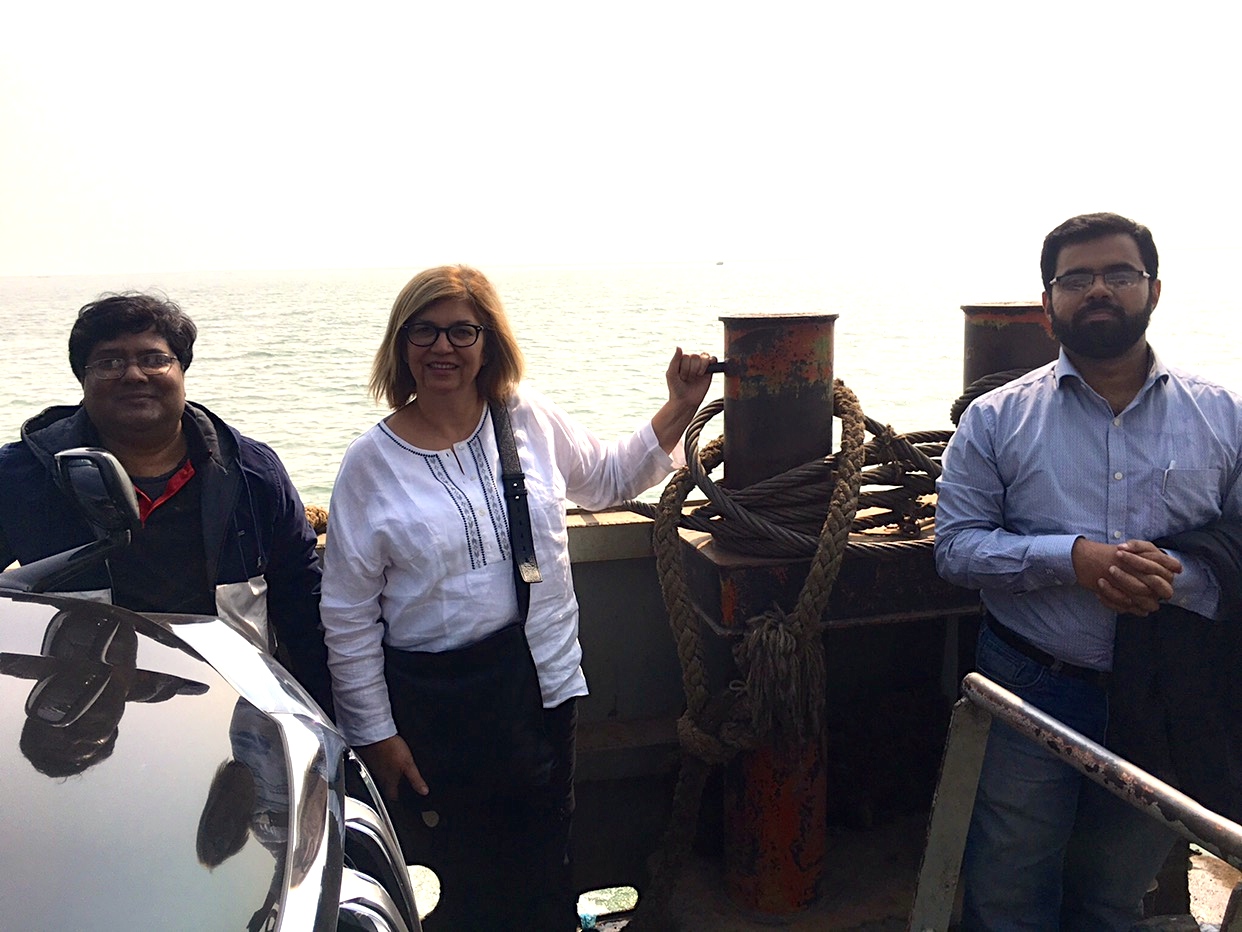
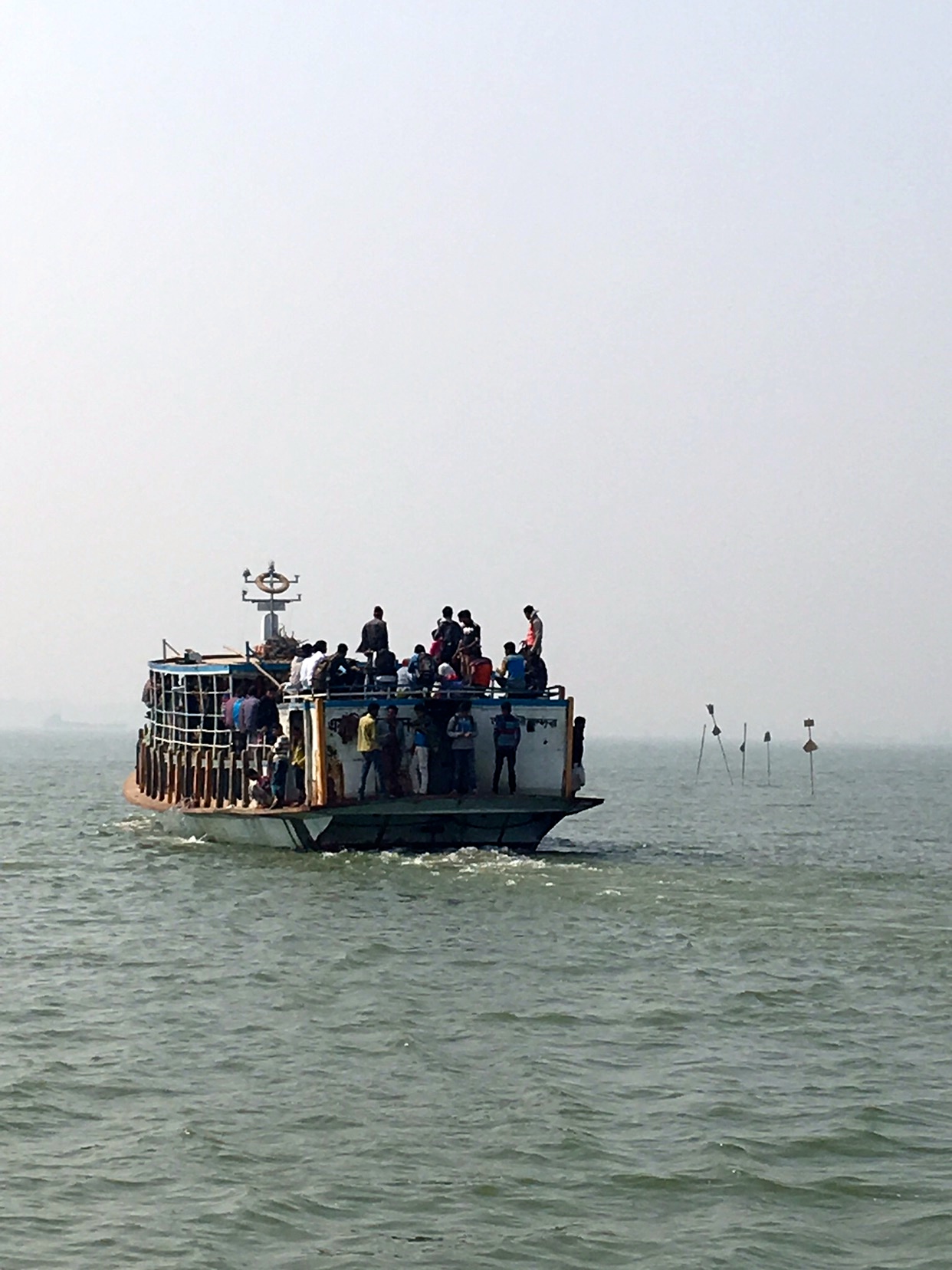
Between Dhaka and the SW zone the major crossing points are still by ferry and even though our crossing was only 30 minutes over the Padma which is a tributary of the Ganges I was still a little apprehensive as there have been two major ferry capsizes in the last couple of years resulting in many deaths. Cars and small vans take priority, Large trucks have to queue and although there are 8 ferries sometimes their wait goes beyond days. We struck up conversation with a Bangladeshi doctor and his team on his way to investigate a suspected case of Zika virus in a nearby village, he told us that due to the lack of water the villagers had cut the top off of the palm trees and made cups to collect the palm juice, unfortunately bats had also drunk from the cups and transmitted the virus t0 the villagers. He was very happy to meet in his words lovely Kiwis and told us he had visited and worked in Christchurch and loved our country.

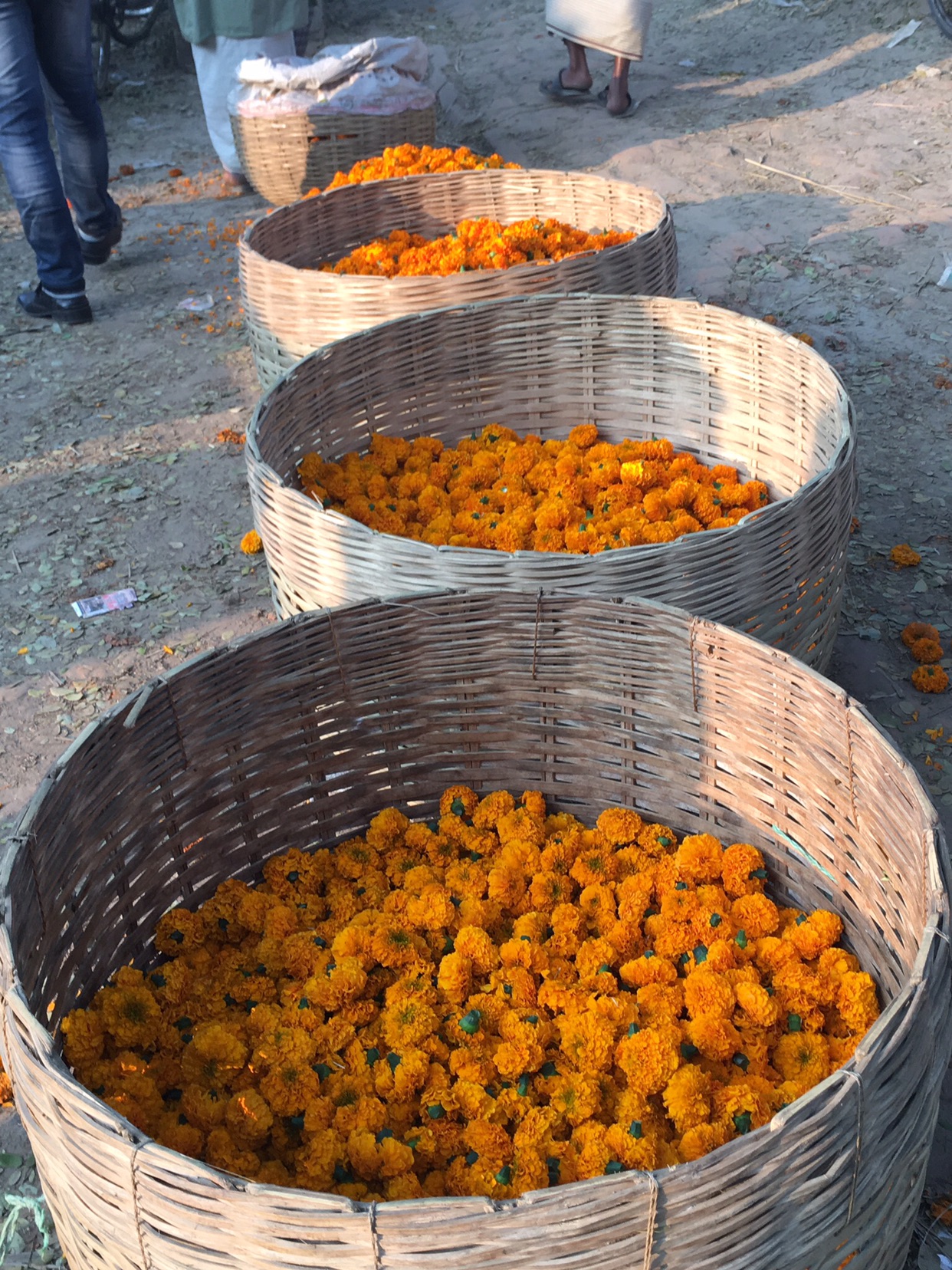
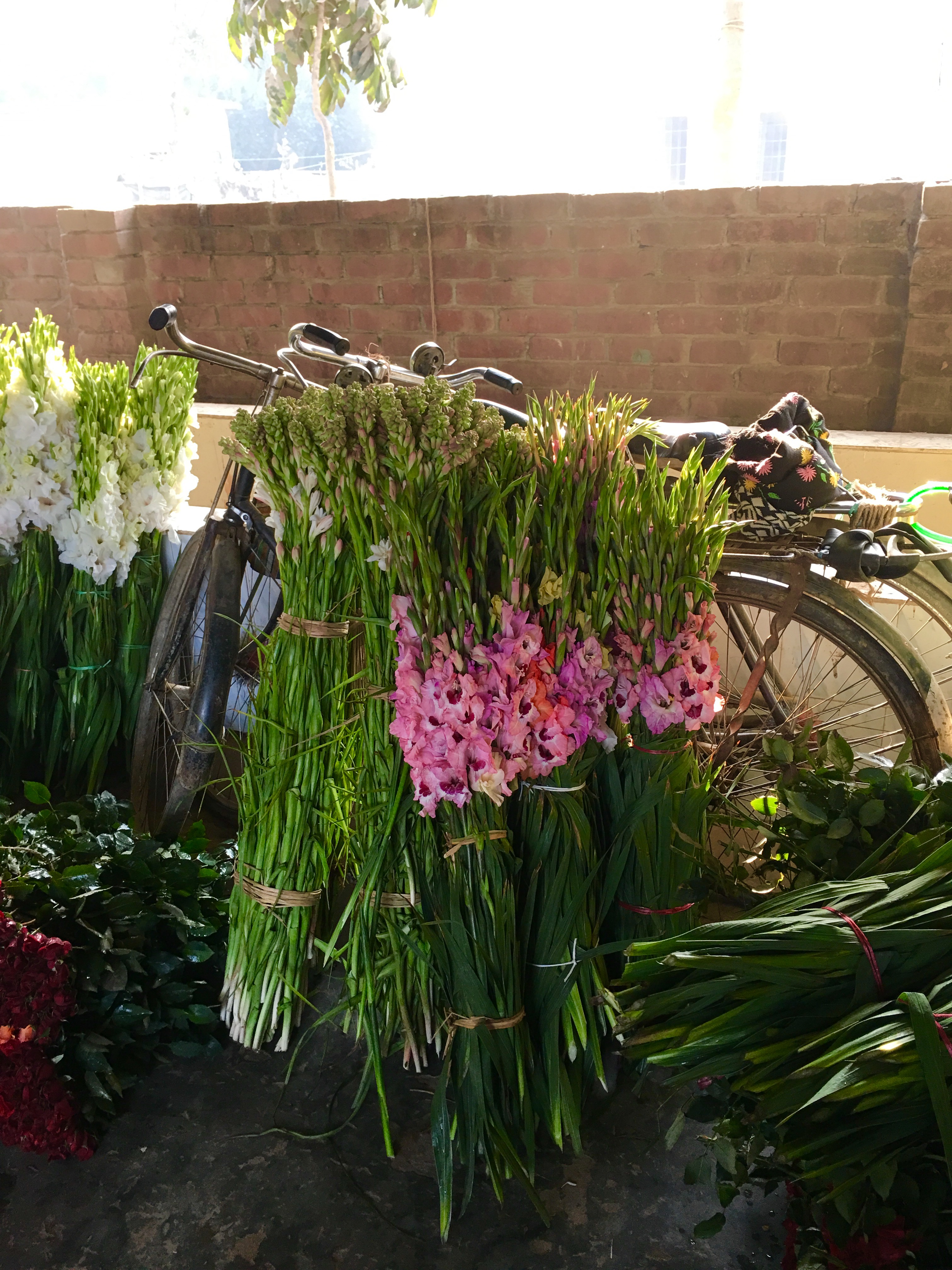
Jessore is a district that shares a close border in the west to India. It is a typical small town with bustling street markets, roadside stalls, tea stands and narrow winding streets. Our first visit was to the Godkhal flower market and growing areas. No women are involved in the process of marketing and selling, the women do the hard agricultural management and then the men take over. The market was bustling at 7am like any flower market anywhere there was a lot of noise and jostling as people bartered for the best bunches. Bangladesh produces mainly Roses, Iris, Cyclamen , Gladioli and Marigold which are traditionally used for religious ceremonies.
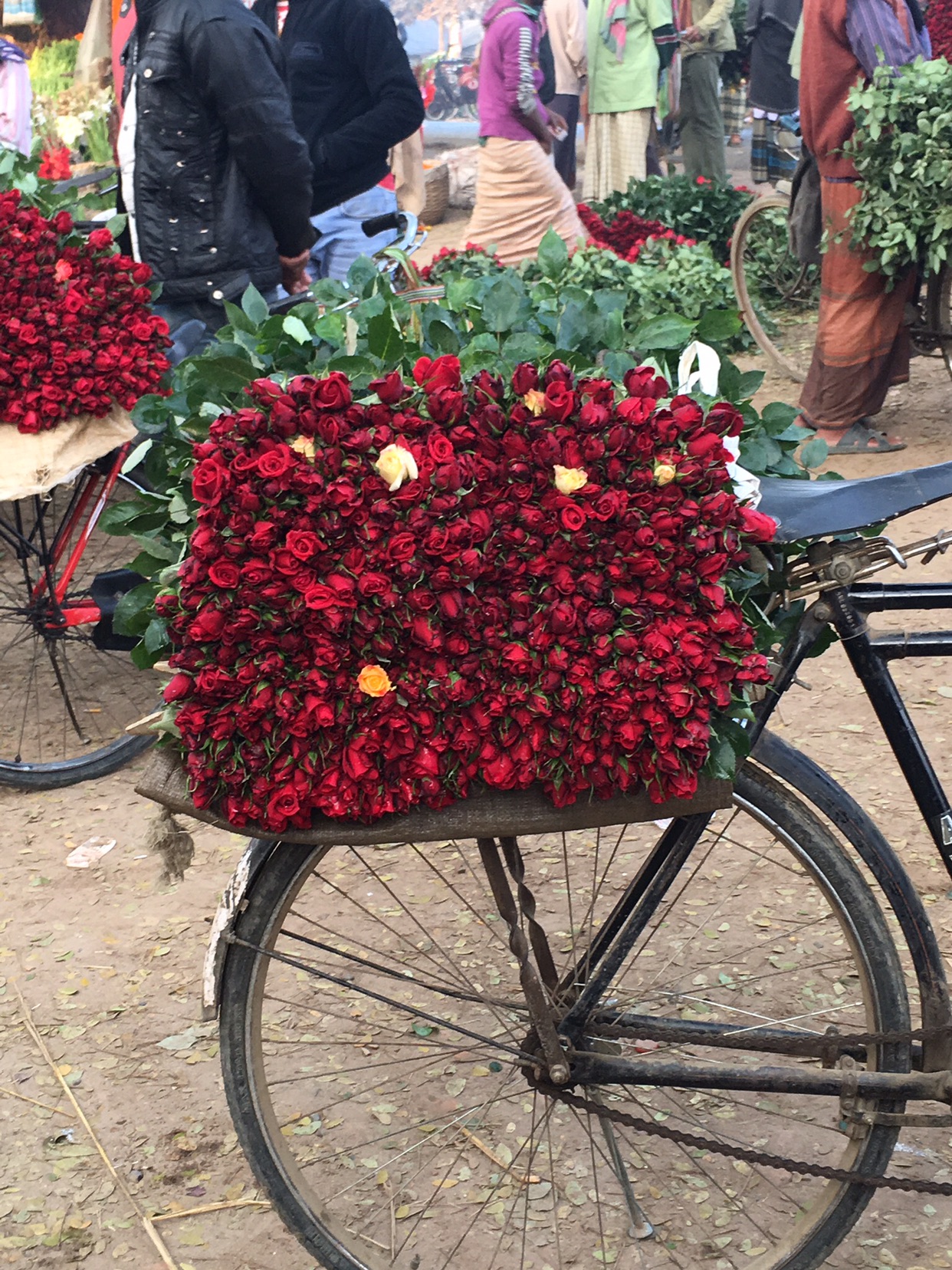
Red roses 1000 Taka (about $17 NZ) for 400.

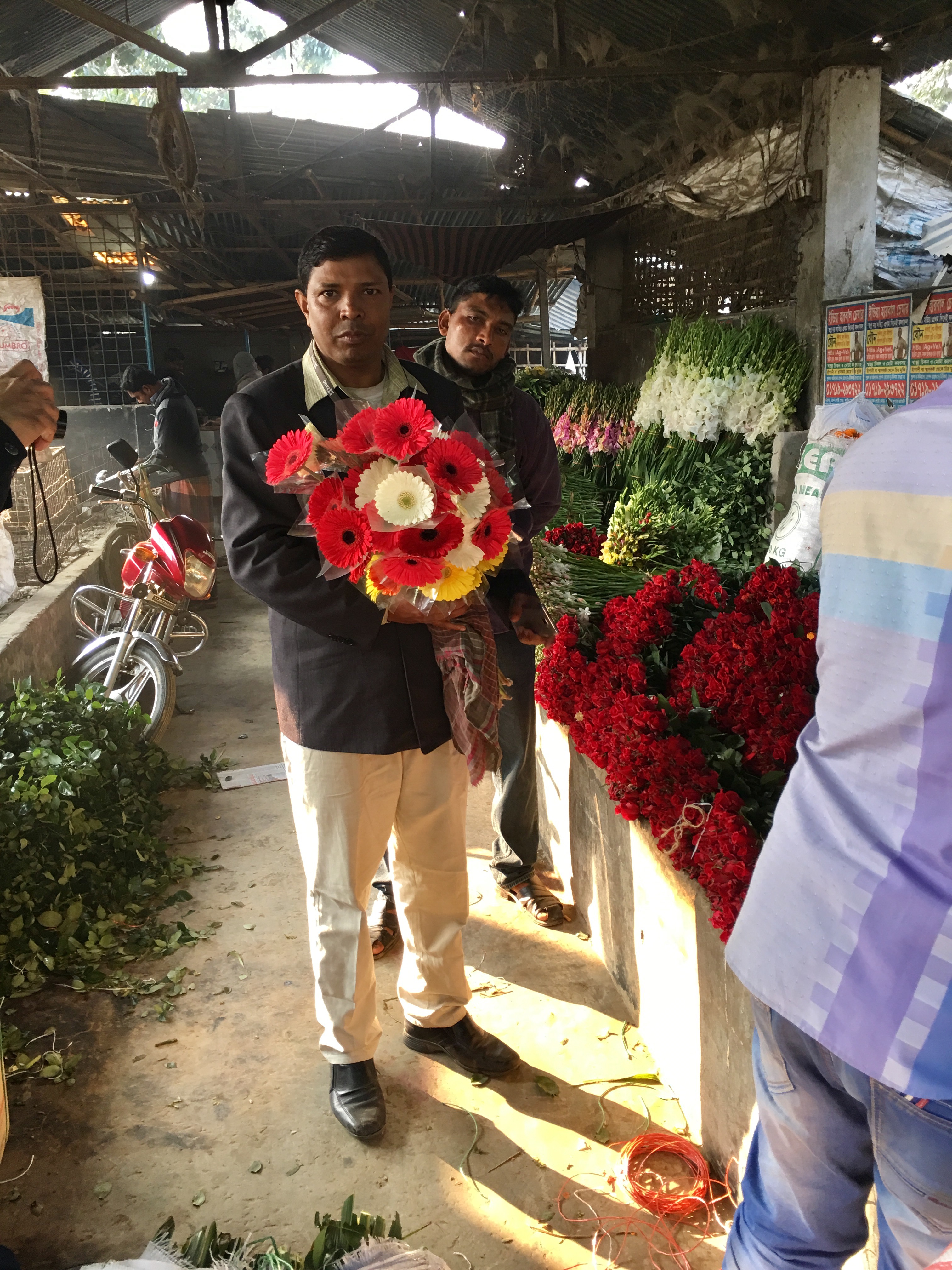
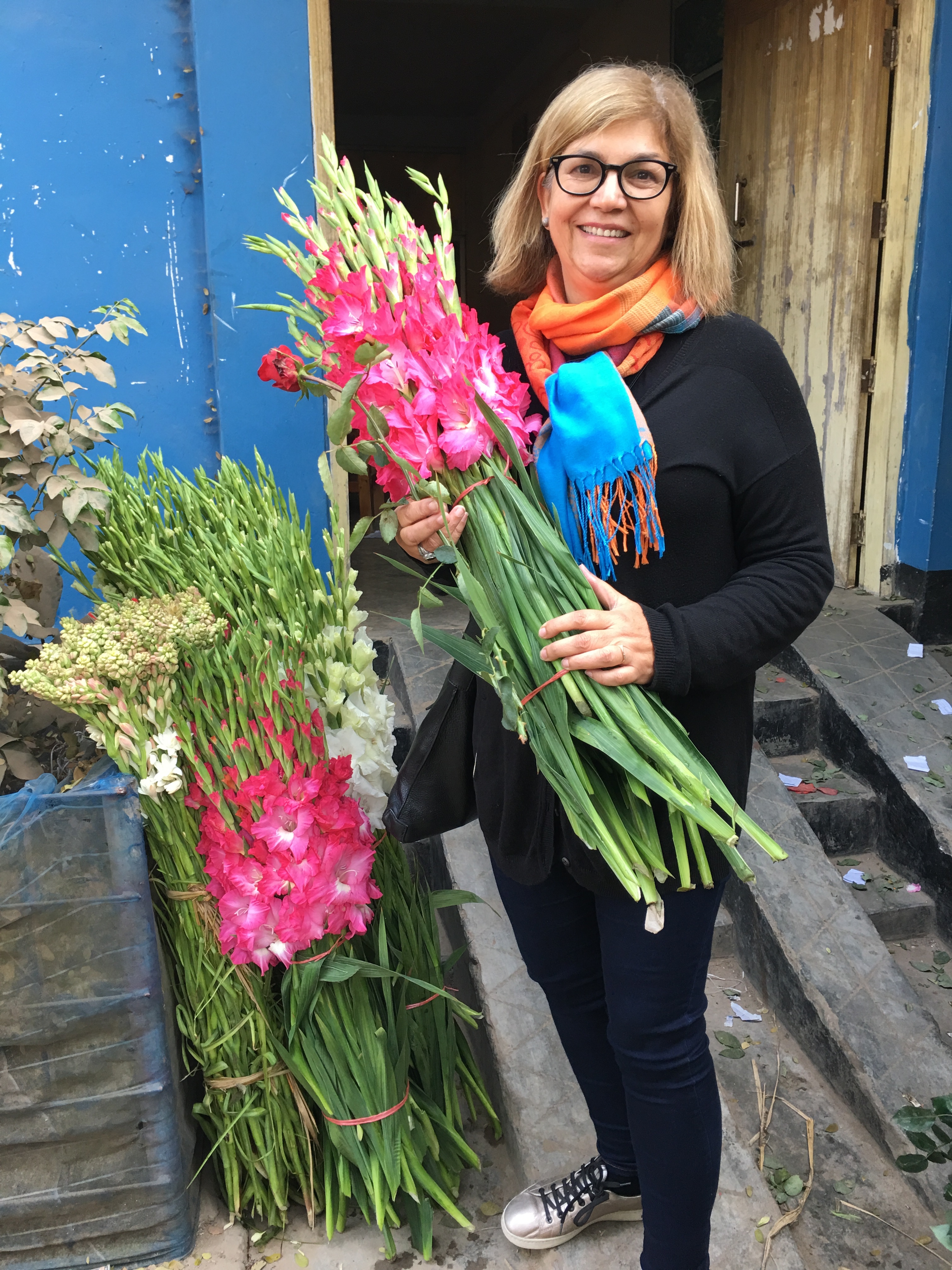
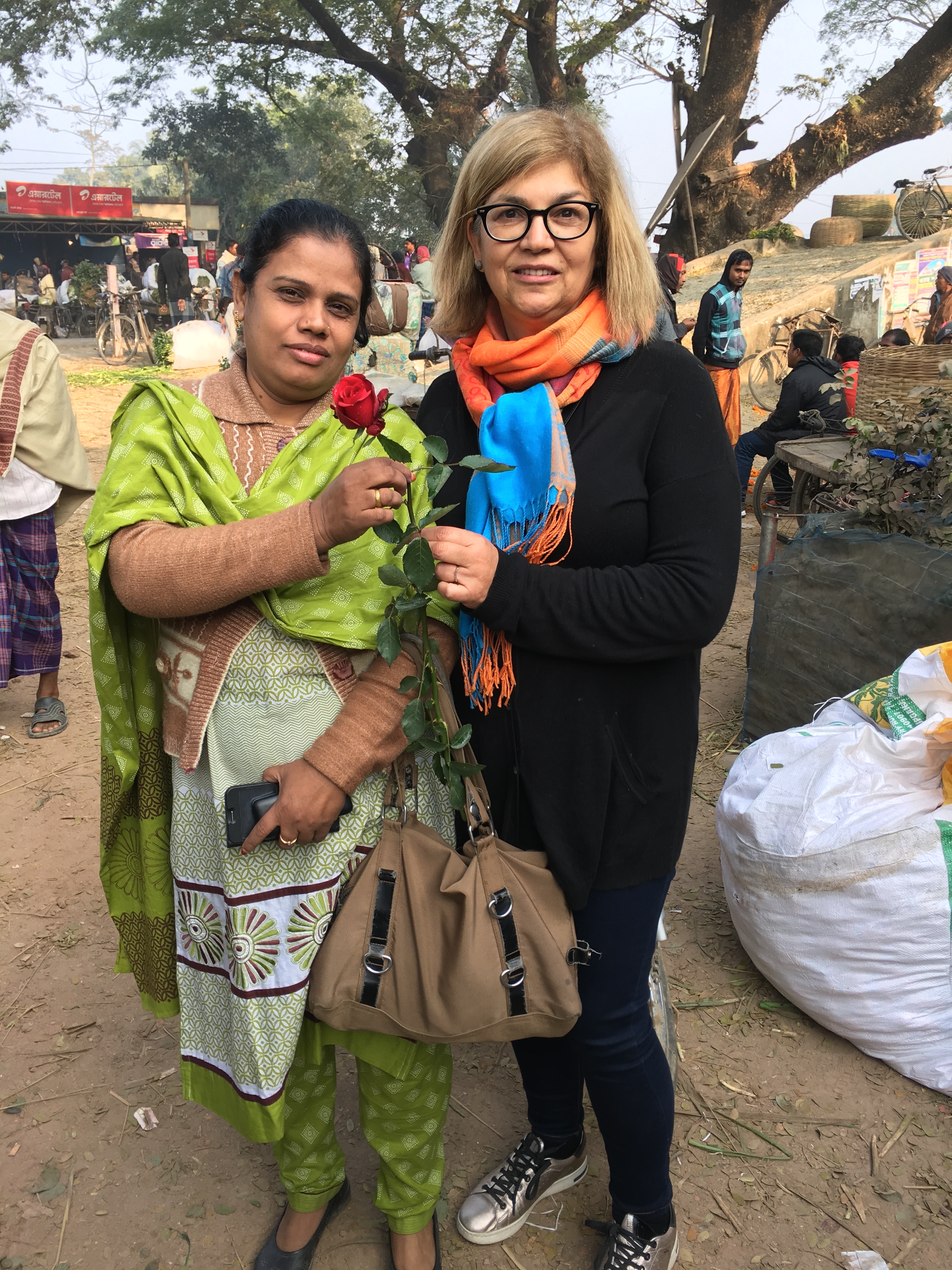
I was a bit of a novelty, flowers being thrust at me from all corners.
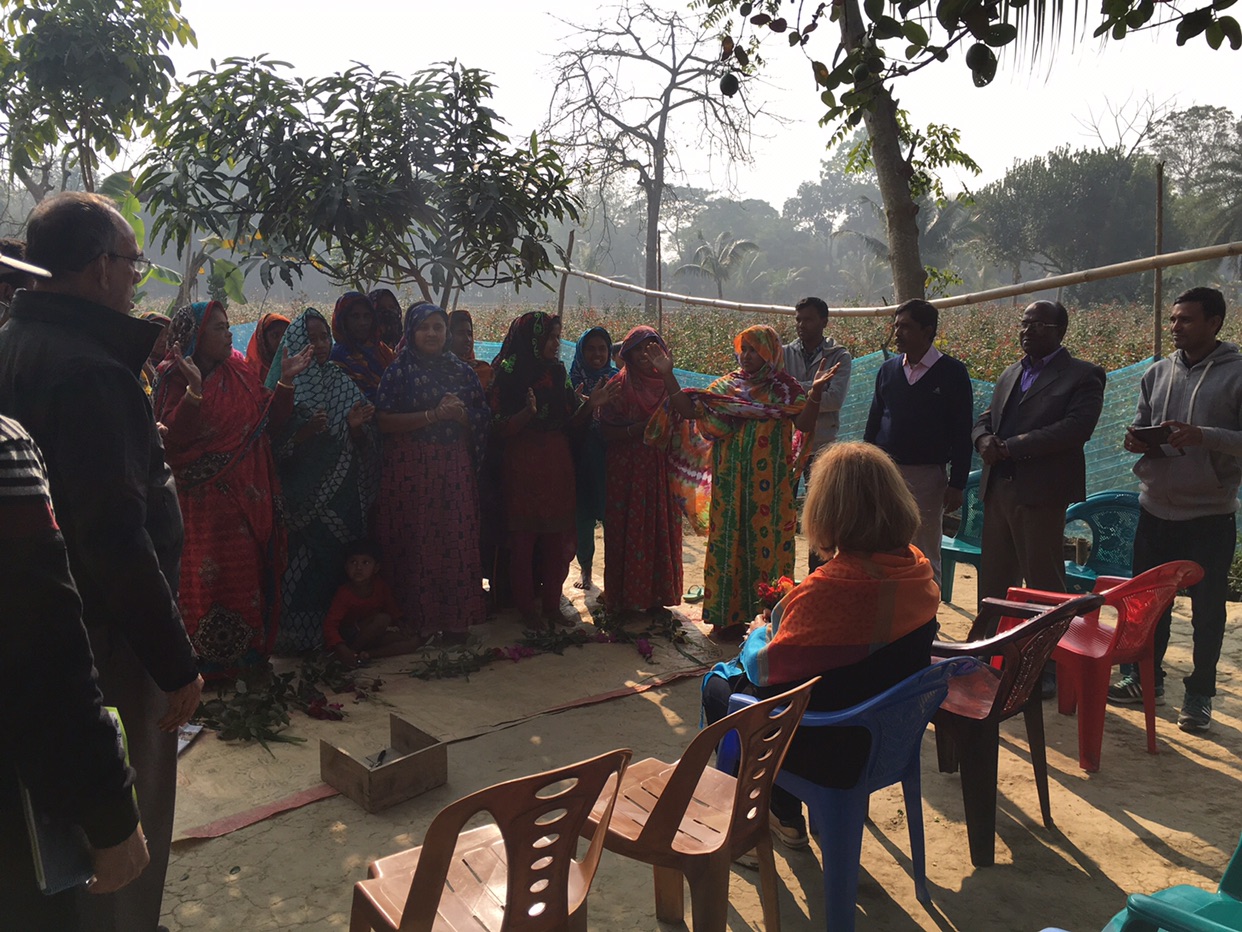
The first growing area we visited was run by 25 women, the socialist idea of forming collectives is not in the culture here and each women and their family operated independently, even though they are usually related and very close neighbours. One of the women had built a two storied house in the village mainly by securing a direct buyer for her flowers in Dhaka and cutting out the middle men. The village were very happy to host us and it was a really heartening to hear such a success story, not everything is gloom and doom.
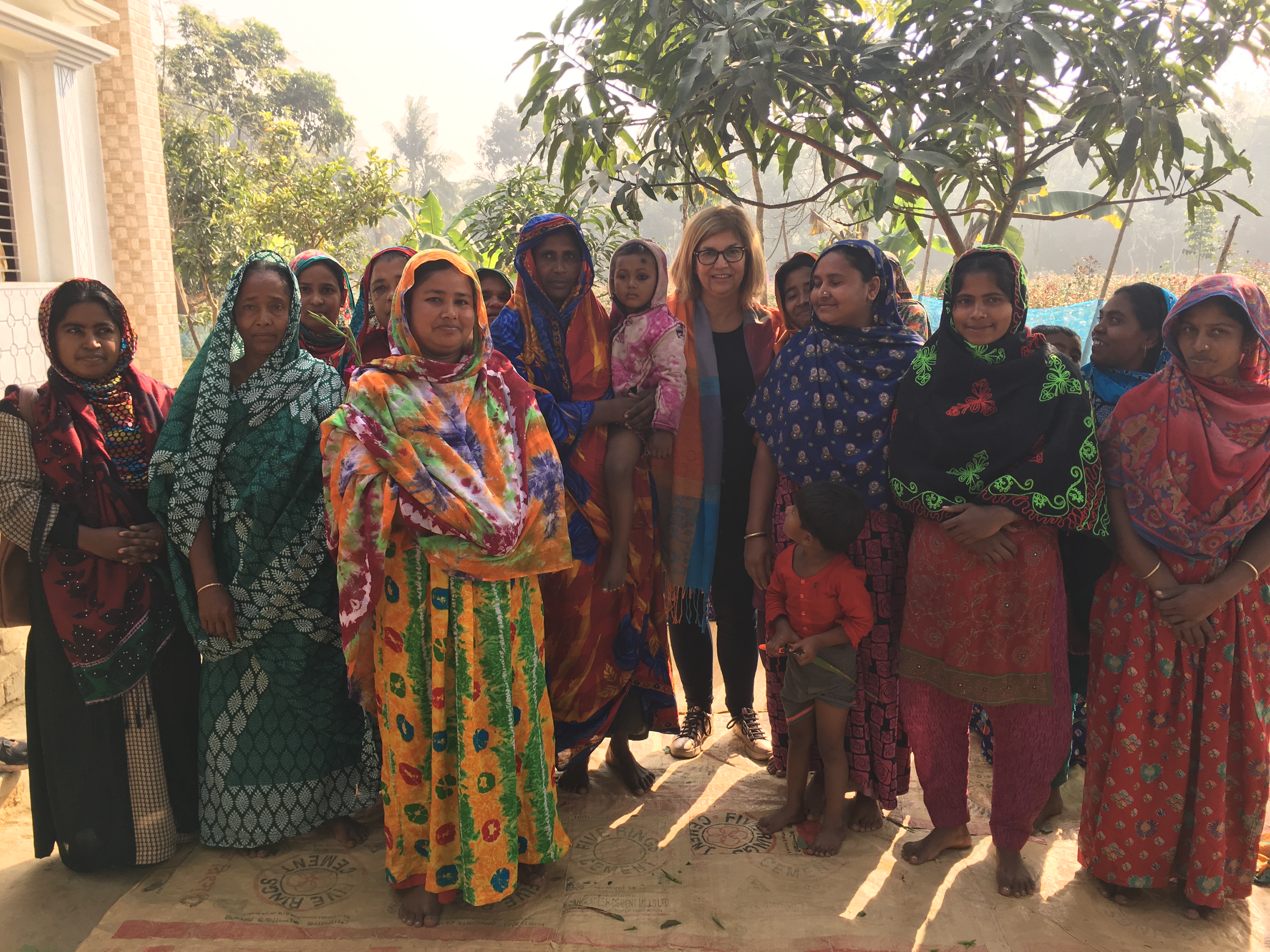

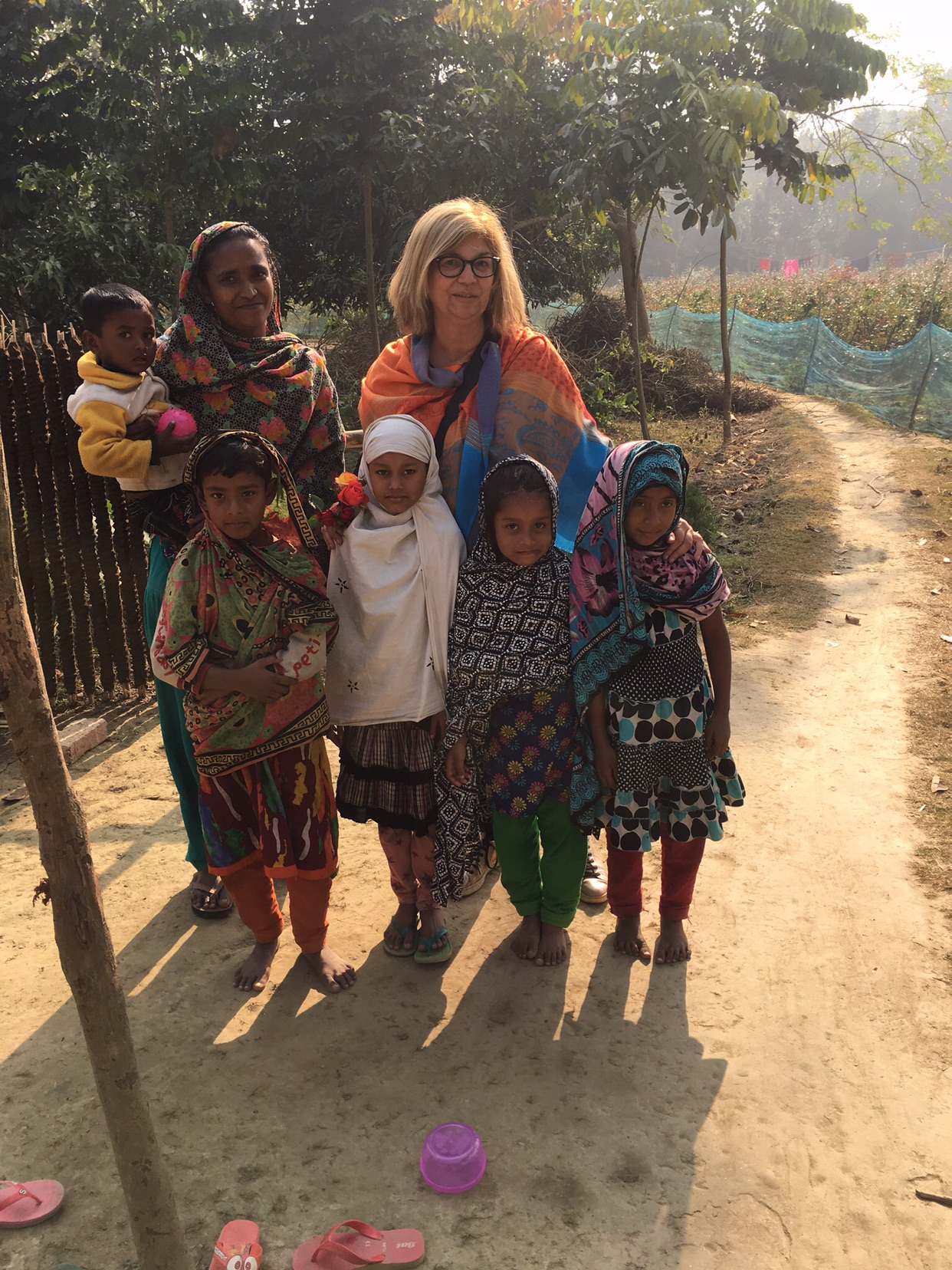

This lovely Mother picked me the biggest rose on her bush.
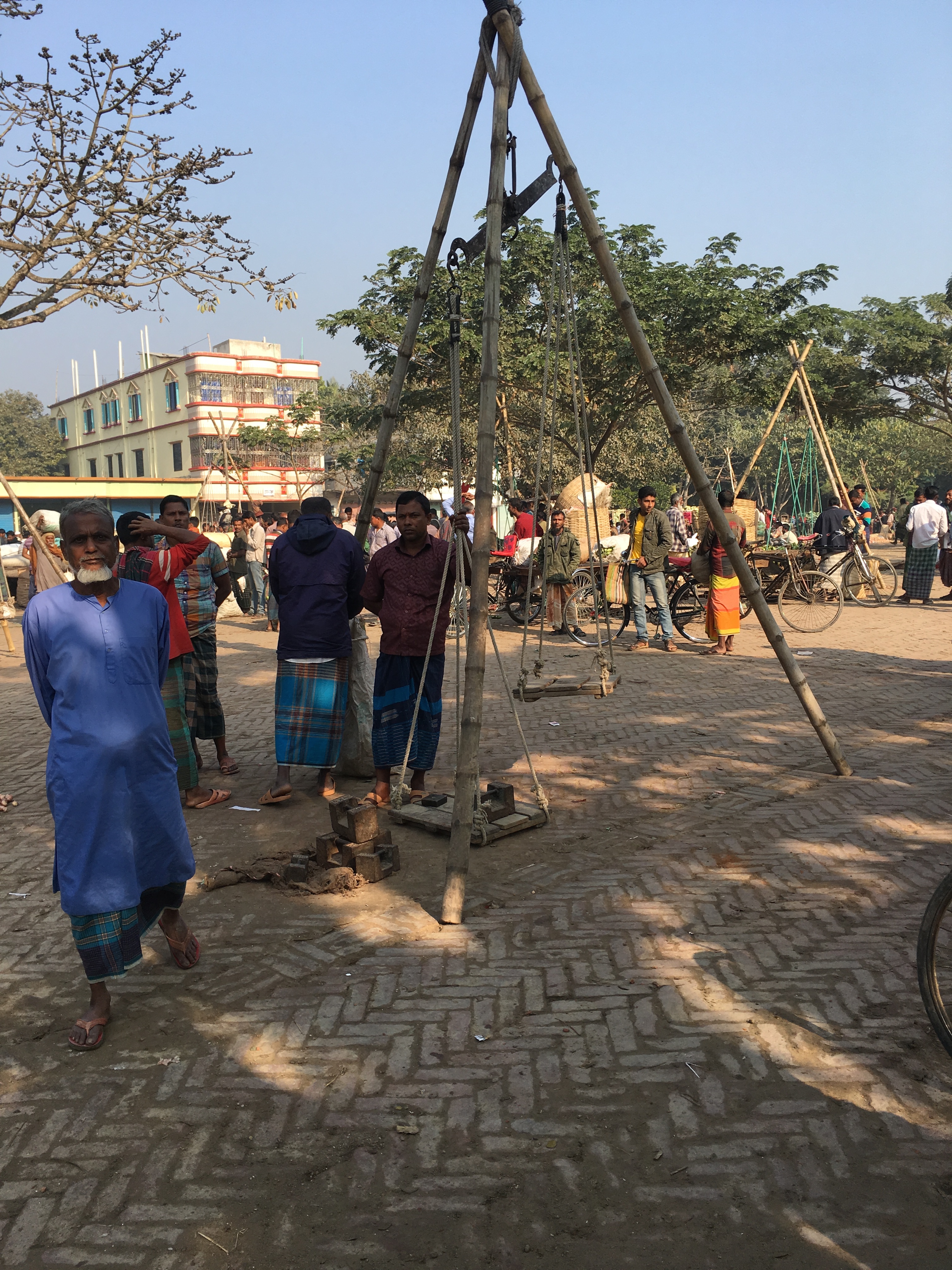
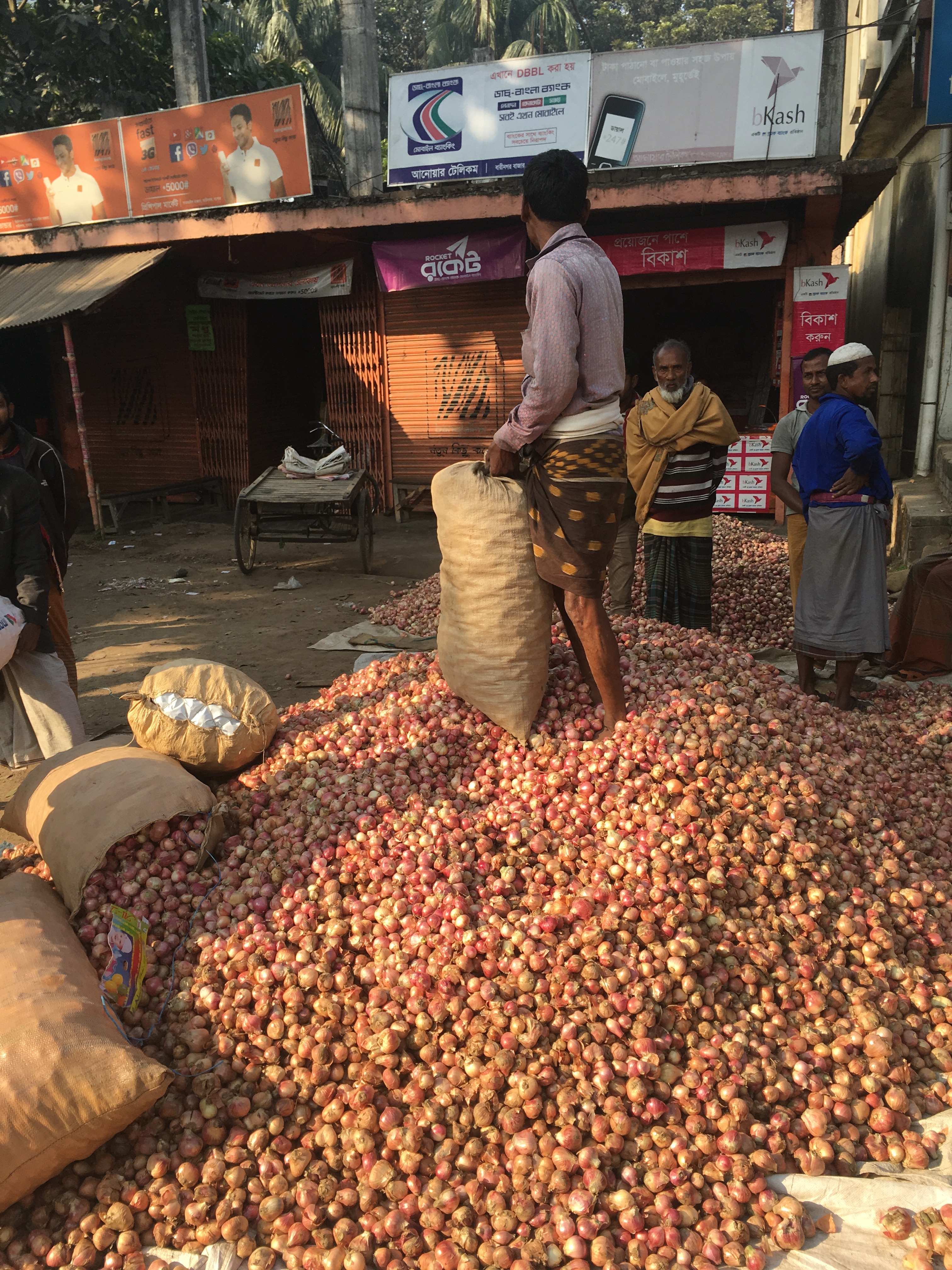
A quick stop at the Vegetable market
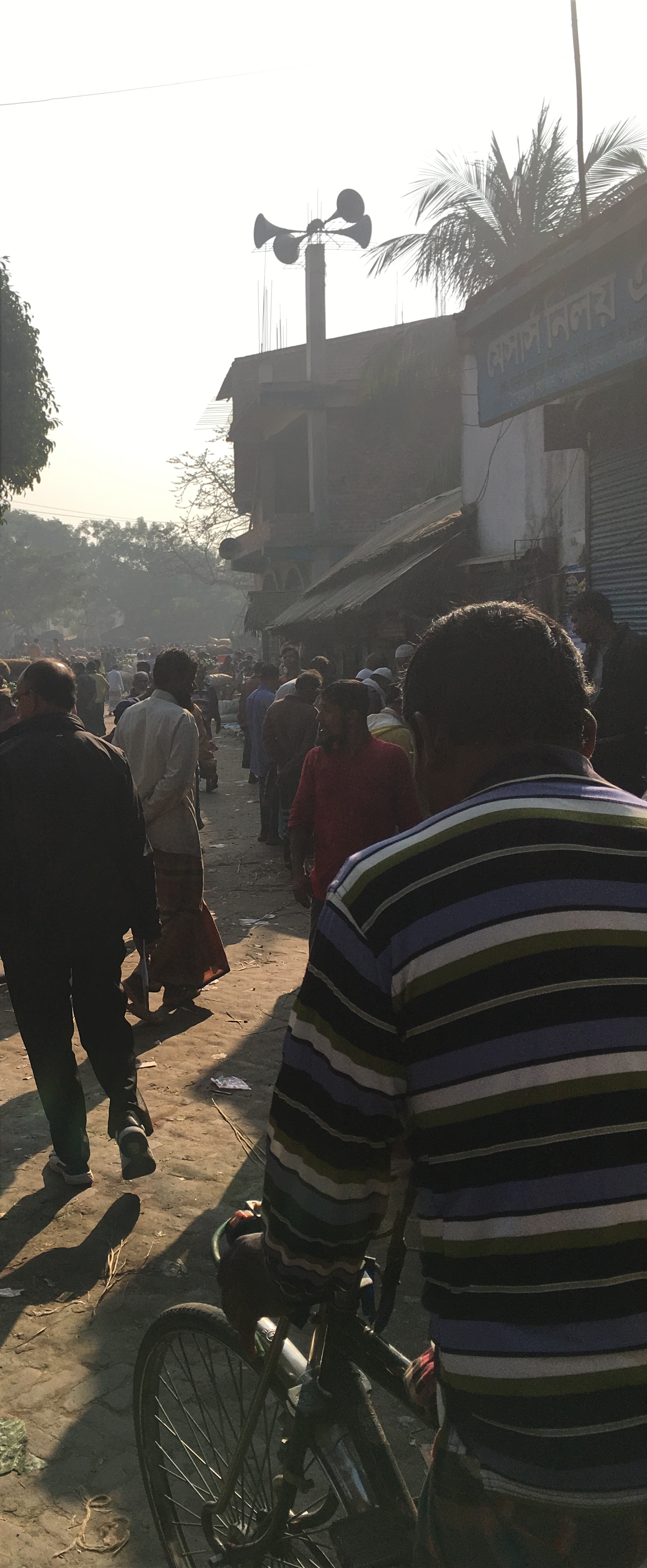
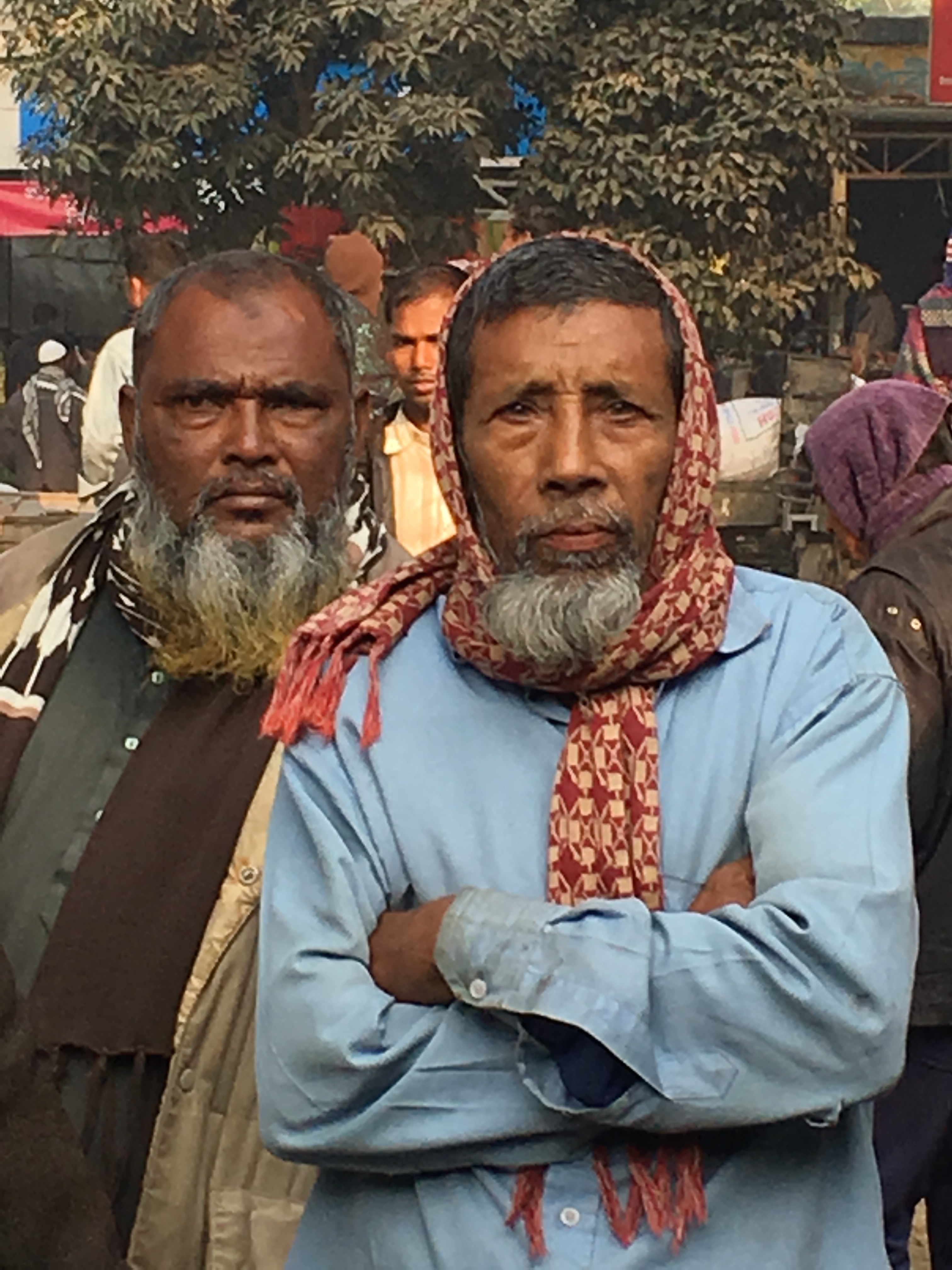
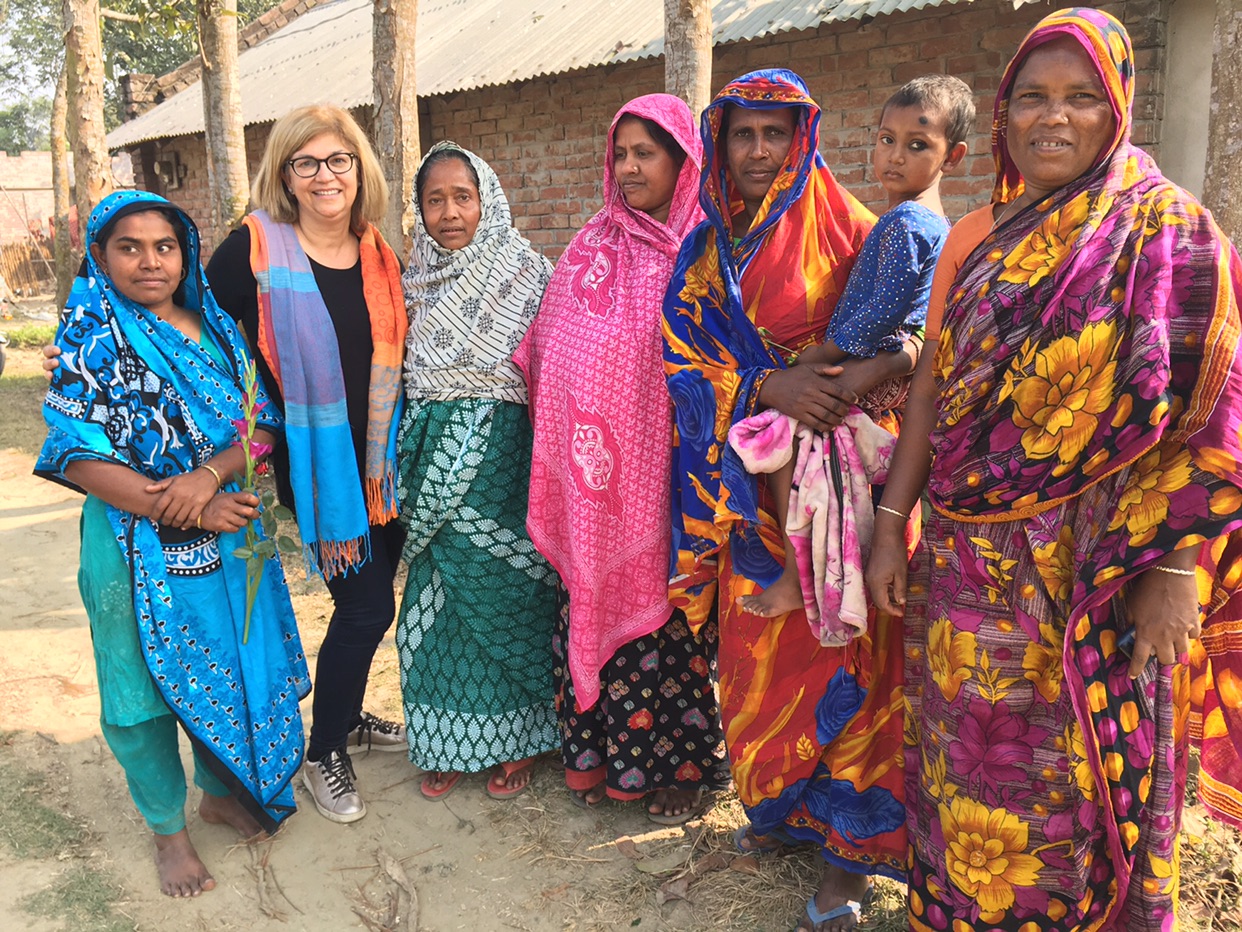
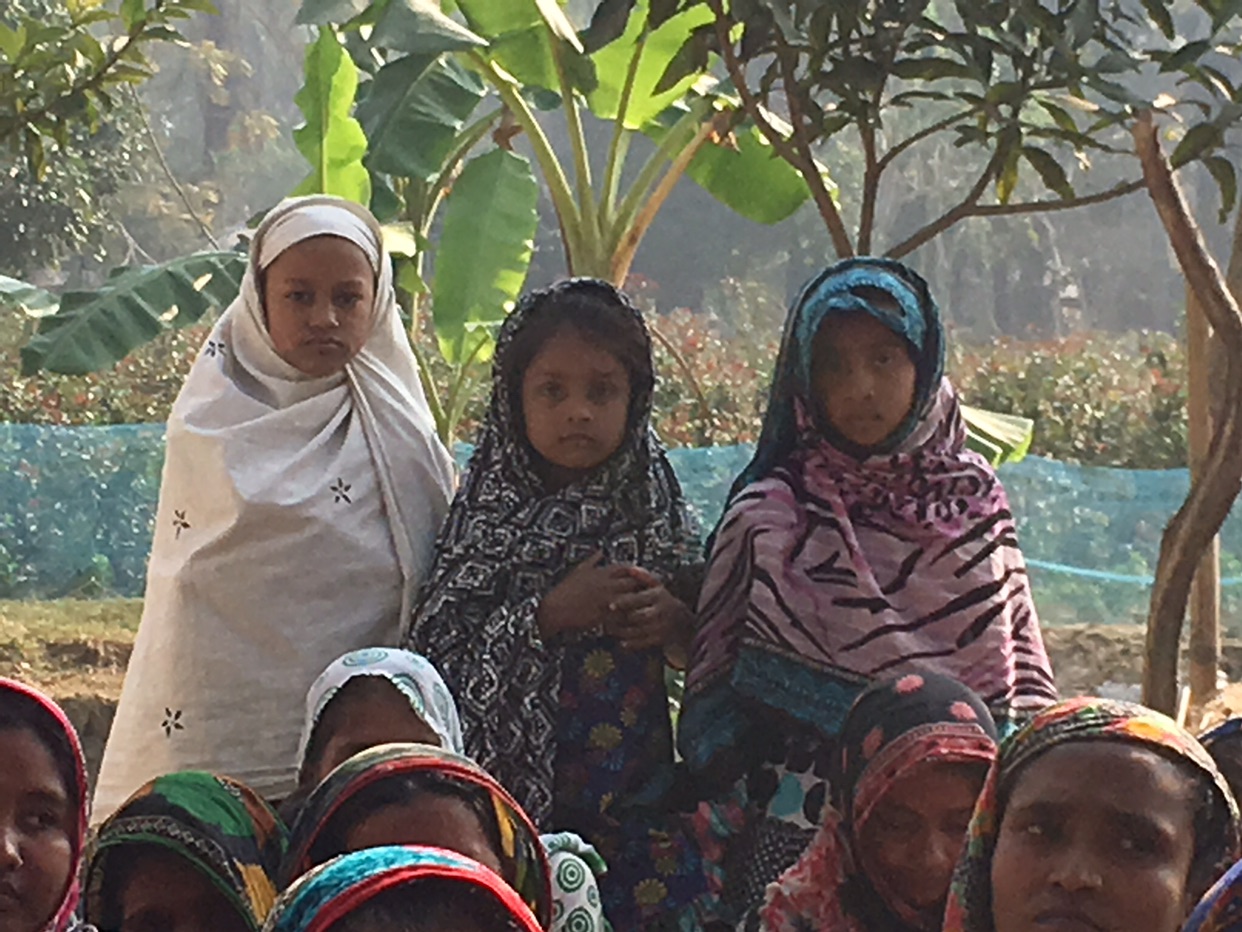
On the way to Bogra we visited a Mango growers village , the group of women growers were very vocal when talking about gender issues, lets hope that the marches and protests for womans rights around the world that we have been seeing sometime reach this village of highly animated women who by their religion and family status puts them at a disadvantage.
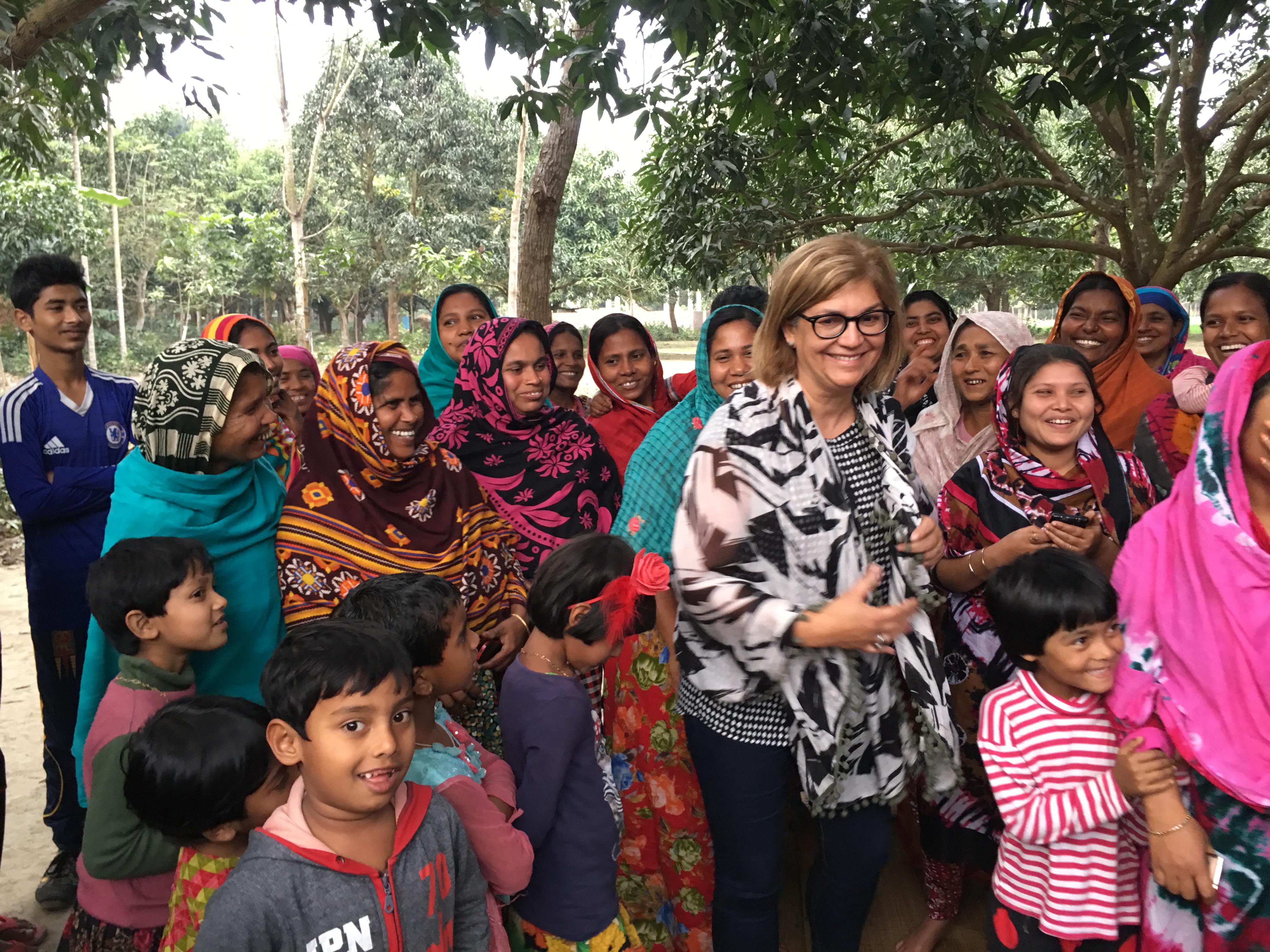
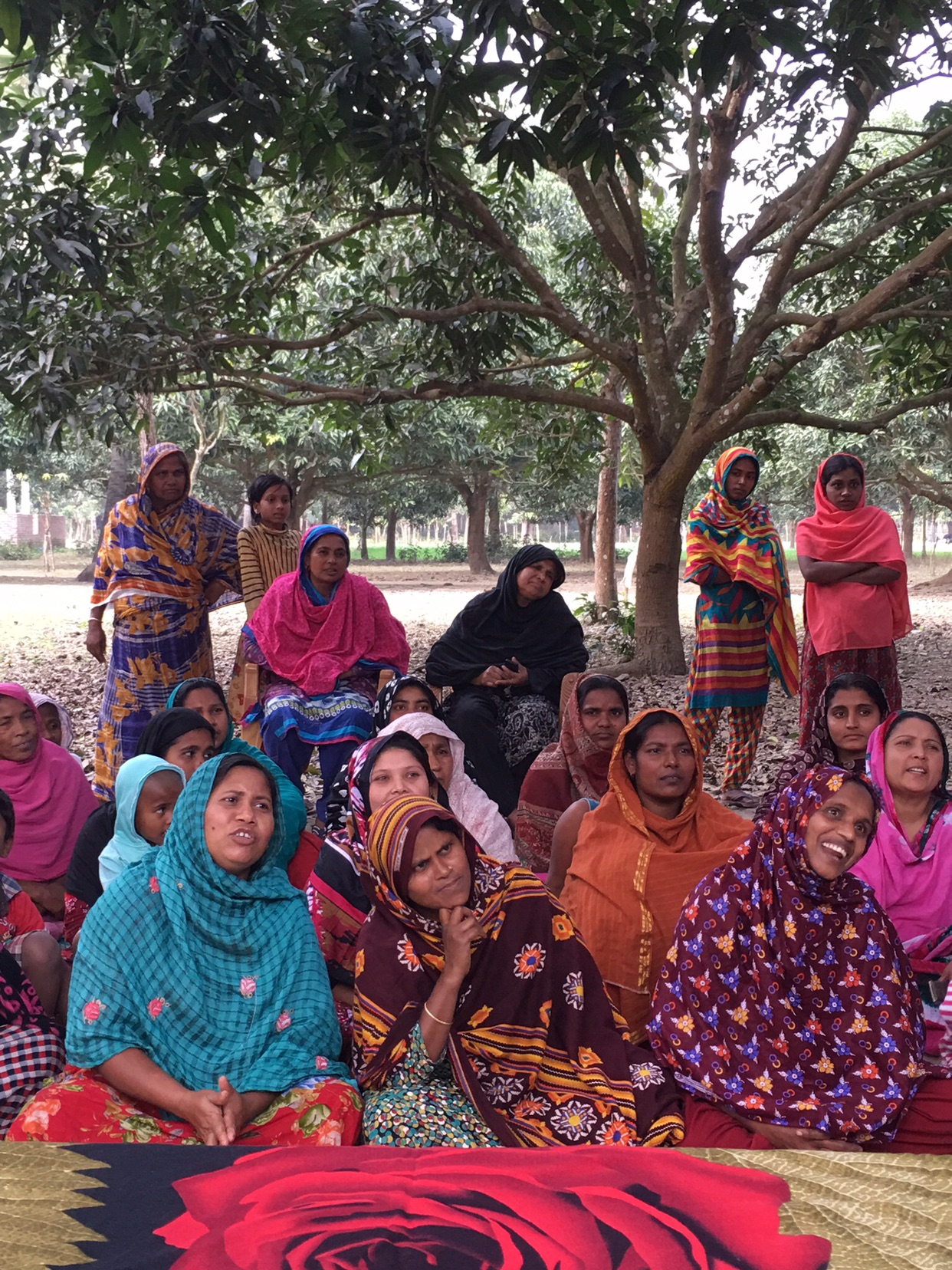
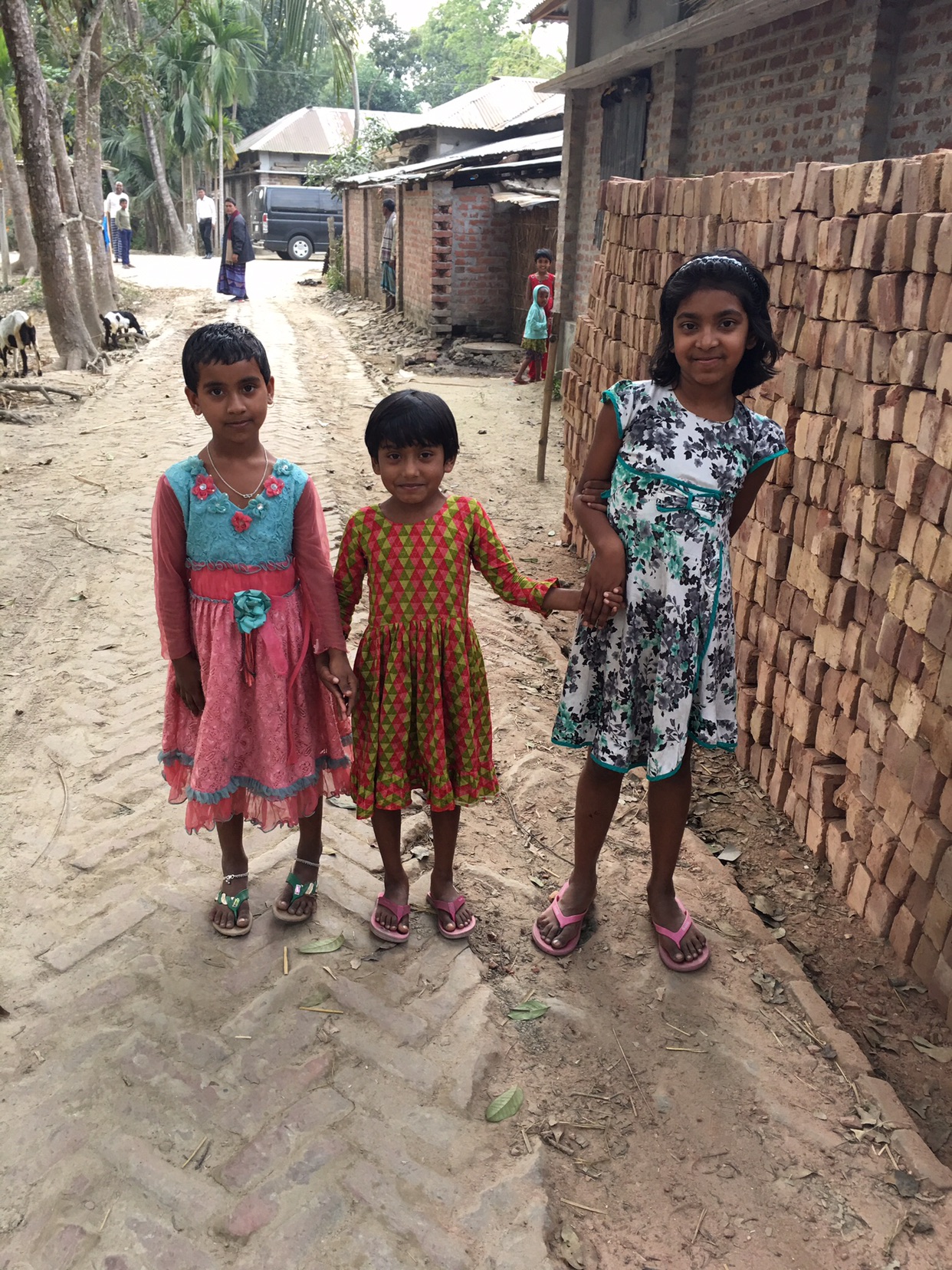
Beautiful children


 Life is a trip - A Busy Life of leisure ~ travels, family, life and whatever takes my fancy......
Another great read and beautiful photos.
The people are so welcoming Kirsten, their clothes are beautiful so bright and colorful and they love having their photos taken!